
The Global Nutrition Report (GNR) is a flagship platform that translates complex nutrition data into decision-ready insights and accountability signals for governments, funders, and practitioners.
Overview
The client context, challenges, audience, and objectives that shaped our approach and defined success.
Context
The Global Nutrition Report (GNR) is a flagship platform that translates complex nutrition data into decision-ready insights and accountability signals for governments, funders, and practitioners. TheraVita supported the GNR through evidence translation and governance strengthening—helping ensure outputs are credible, transparent, and fit for real-world decision-making. Dr. Renata Micha served as Chair of the Global Nutrition Report’s Independent Expert Group, supporting accountability framing, scientific oversight, and governance improvements.
Objectives
Strengthen how nutrition progress is measured, governed, and communicated by:
- translating evidence into stakeholder-ready outputs;
- developing and refining accountability frameworks and indicators; and
- updating governance structures and decision processes that support quality, transparency, and responsible stewardship over time.
Requirements
Specific needs, deliverables, constraints, and compliance considerations required to achieve objectives within timeline and budget.
- Provide scientific leadership and direction for evidence translation and reporting outputs.
- Support development/refinement of accountability approaches (e.g., indicators, frameworks, interpretation guardrails).
- Enhance governance to improve clarity of roles, decision pathways, quality assurance, and accountability for ongoing updates.
- Ensure outputs are transparent, policy-relevant, and usable across diverse stakeholders.
Our Process
A stepwise, evidence-based workflow from discovery to delivery, measurement, iteration, and scalable knowledge transfer.
- Stakeholder alignment — clarify decision questions, target audiences, and accountability use cases.
- Evidence synthesis & interpretation — translate complex evidence into clear narratives and policy-relevant takeaways.
- Accountability frameworks & indicators — design/refine structures and metrics that can be tracked over time.
- Governance strengthening — clarify roles and responsibilities, formalize decision pathways, and embed quality assurance and transparency norms into the reporting workflow.
- Quality assurance & responsible communication — structured review cycles to strengthen scientific defensibility, clarity, and appropriate uncertainty.
- Packaging for action — deliver outputs that are easy to use, cite, and apply in policy and program contexts.
Results
The measurable outcomes, qualitative feedback, and lasting assets that created value and informed next steps.
- Stronger governance and accountability through clearer decision processes, review pathways, and stewardship norms that support sustained quality over time.
- Clearer accountability signals via improved frameworks and indicator interpretation supporting progress tracking.
- More decision-ready outputs that translate evidence into actionable insights for policy and programs.
- Greater transparency and defensibility through consistent interpretation guardrails and structured scientific review.
Other Case Studies
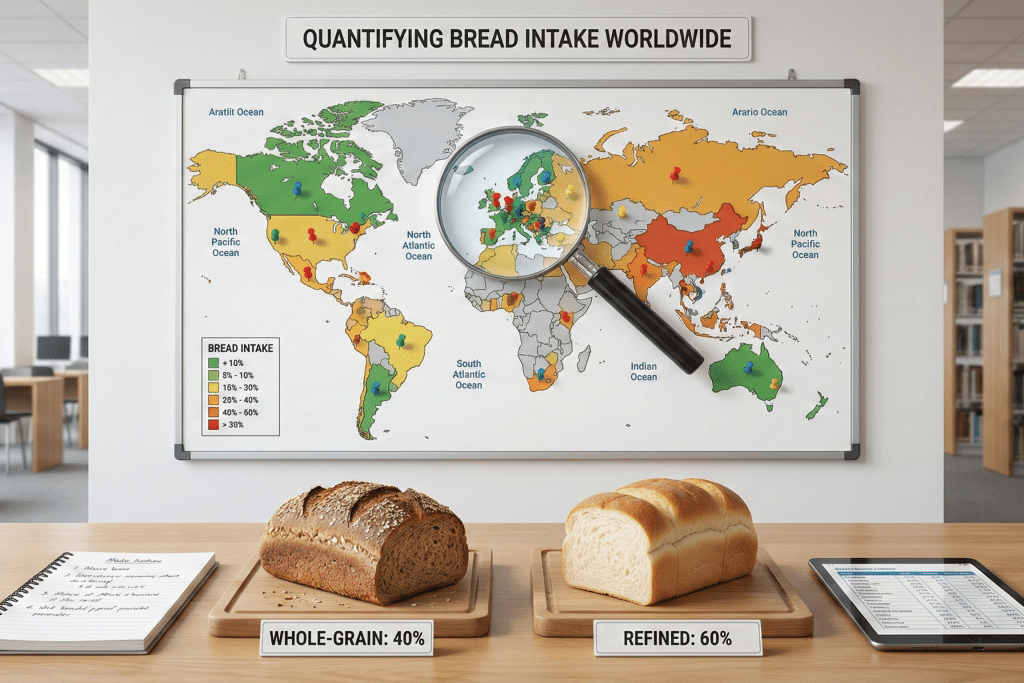
Quantifying Bread Intake Worldwide
Quantifying Bread Intake Worldwide
Read More
Nutrition AI Model: Evidence, Guardrails & Validation
Nutrition AI Model: Evidence, Guardrails & Validation
Read More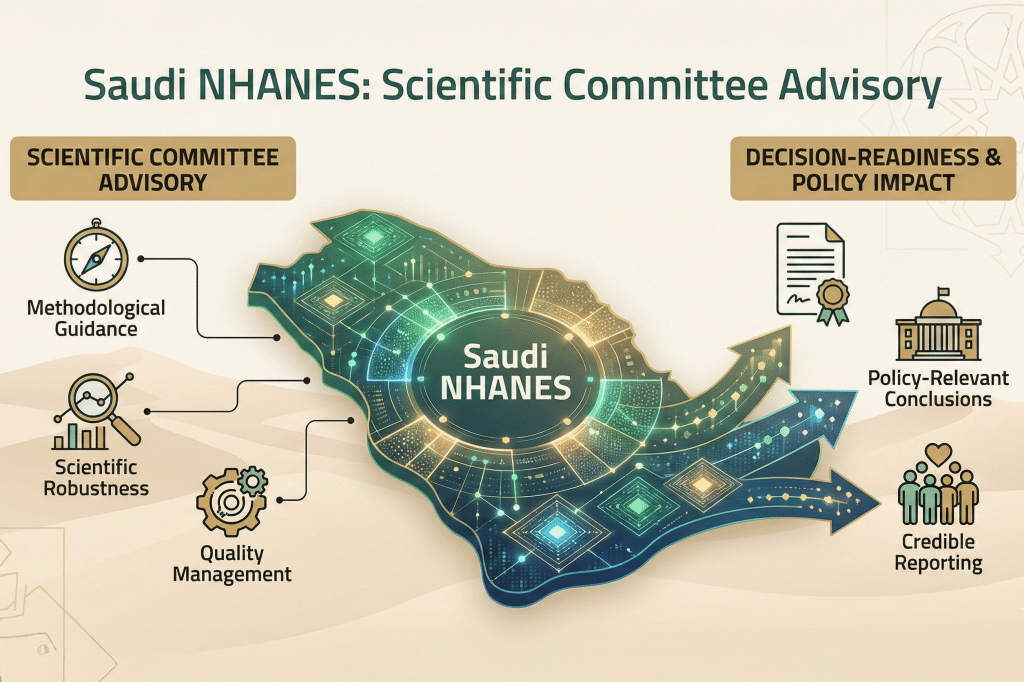
Saudi NHANES: Scientific Committee Advisory